



Foundation Waterproofing in Champaign: Below-Grade Solutions for Prairie Homes
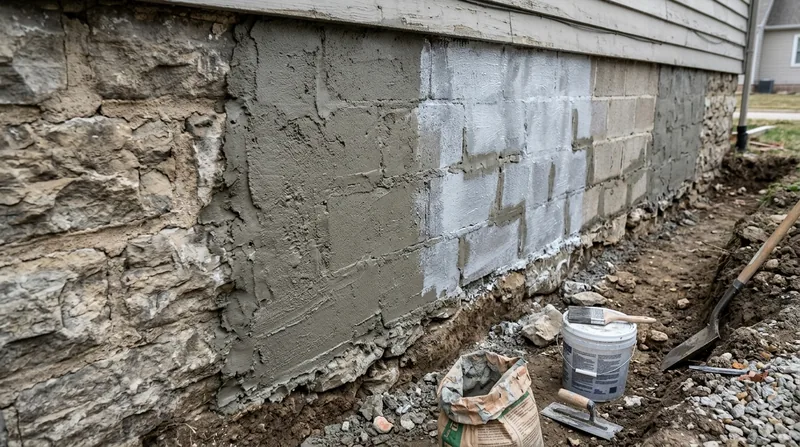
Champaign sits on flat glacial till and silty loam that drains slowly, and the water table climbs every spring under the old bungalows and foursquares of the Old West Side, Garden Hills, and Douglass Square. When Boneyard Creek rises fast in a summer cloudburst, or when snowmelt and freeze-thaw cycles open up cut stone and early block walls, water finds the path of least resistance into your basement. Foundation Waterproofing in Champaign is the work of stopping that water at the wall and footing, not just mopping it up after the fact. We handle block, poured, and stone foundations with methods matched to the build: parging and crack repair, membrane or crystalline treatments, and drainage correction where hydrostatic pressure is the real driver. If you are tired of a wet basement after every hard rain, start with a free basement inspection so we can see what the wall is actually doing.
Why Foundation Waterproofing Matters in Champaign's Old and New Neighborhoods
Most of the basement water we see in Champaign starts below grade, where slow-draining silty loam holds spring groundwater against the footing and pushes hydrostatic pressure through every hairline crack and porous mortar joint. The 1900s to 1930s homes downtown have full basements of cut stone, brick, or early block, and those walls were never built with modern drainage. The 1950s to 1970s ranches and split-levels in Bristol Park and on the south and east sides often have partly finished basements, so a seep that would have been a nuisance upstairs becomes a ruined ceiling tile and musty basement smell downstairs.
- Hydrostatic pressure from a high spring water table forces water through block cores and mortar joints.
- Freeze-thaw cycles crack old walls and open existing cracks wider each winter.
- Efflorescence, the white salt bloom on the wall, tells you water is moving through the masonry.
- Clogged or collapsed weeping tile at the footing stops draining and backs water up under the slab.
If any of these signs look familiar, the fix is a below-grade solution, not another coat of paint on the wall.
Key info: A Garden Hills foursquare we inspected had efflorescence three feet up the stone wall and a wet floor every March. The footing drain was silted solid. Correcting drainage and sealing the wall stopped the seepage, while a coat of sealer alone would have failed by the next spring thaw.
For local permitting context on structural and drainage work, the City of Champaign's building department is the authority to check before you schedule: City of Champaign official site.
How We Approach Foundation Waterproofing on Champaign Homes
We start by reading the foundation, not by selling a product. A stone wall downtown, a poured wall in a 1960s ranch, and a block wall in a Savoy subdivision each fail differently, and the treatment has to match. We check the wall for bowing, map the cracks, test the drain tile, and look at grading and downspout discharge before we recommend anything. Simple crack sealing is enough when the crack is stable and the water is coming through the crack itself. When the water is coming through the whole wall under pressure, an interior drain tile system is usually the better answer than exterior excavation.
- We walk the basement and exterior, note crack patterns, efflorescence, and wall movement.
- We check the footing drain and sump basin, and confirm whether the sump pump is keeping up.
- We recommend the least invasive method that solves the actual failure mode.
- We repair cracks by epoxy or polyurethane injection with injection ports where that is appropriate.
- We correct drainage with interior perimeter drain, dimple board, or grading and downspout extensions.
- We verify the work with a water test before we call the job done.
You get a written scope that says what we are doing and why, so you can compare it against other estimates honestly.
Key info: On a 1950s Bristol Park ranch, the wall was dry but the floor was wet at the cove joint. That is a footing drain problem, not a wall problem. We installed an interior drain tile system and tied it to a new sump basin, and the floor stayed dry through the next spring melt.
Waterproofing Methods We Use and When Each One Fits
There is no single waterproofing method that fits every Champaign foundation. The right choice depends on the wall material, the crack pattern, and whether the water is hydrostatic pressure or a local defect. Here is how we match the method to the problem.
| Approach | Description | Best for |
|---|---|---|
| Epoxy or polyurethane injection | Injection ports seal active cracks from the inside with minimal excavation. | Stable poured and block wall cracks with direct seepage. |
| Parging and masonry repair | Rebuilds deteriorated mortar joints and stone faces on old walls. | Pre-1930 stone and brick foundations downtown. |
| Membrane and crystalline treatment | Waterproof membrane or crystalline coating applied to the wall surface. | Poured walls with broad dampness and no structural movement. |
| Interior perimeter drain | Interior drain tile at the footing directs water to a sump basin and pump. | Hydrostatic pressure and wet floors at the cove joint. |
| Exterior drainage correction | Dimple board, footing drain repair, and grading to move water away. | Failed exterior footing drain and chronic wall seepage. |
We tell you plainly when a crack seal is enough and when the real problem is pressure, so you do not pay for excavation you do not need.
Foundation Waterproofing Cost in Champaign: What to Expect
Foundation waterproofing pricing in Champaign starts from $3,500 for a focused repair and drainage correction, and moves up from there with scope. The variables that move the number are the length of wall involved, whether we are injecting cracks or installing a full interior perimeter drain, the condition of the existing footing drain, and how much site access we have around the foundation. An Old West Side stone wall with parging and masonry repair is a different job than a poured wall with two injection points.
Getting two or three written estimates is smart, and not just to compare price. The scopes should tell you the same story about what is failing. If one contractor says crack injection and another says exterior excavation, ask both to explain why. You can see the range of our work on the pricing overview before you call, so the conversation starts on solid ground.
What to Look for When Hiring a Foundation Waterproofing Contractor Near Champaign
Hiring a waterproofing contractor near Champaign is mostly about verifying the basics before anyone touches your foundation. Ask for the license and insurance certificate, and confirm the coverage is current. Get at least two or three estimates in writing with a clear scope. Ask for recent references from homes with the same foundation type as yours, because a poured wall contractor is not automatically a stone wall contractor. And confirm who pulls the permit if the work is structural or alters drainage, since the City of Champaign and the surrounding jurisdictions each have their own thresholds.
Ask how they verify the repair, too. A contractor who water-tests the work before closing out the job is telling you something about how they operate. If you want to talk through your basement before you commit, contact us and we will set up a free inspection.
Foundation Waterproofing Near Me: What Champaign Homeowners Should Know
When you search for foundation waterproofing near me in Champaign, the results look similar and the scopes do not. The failure mode here is spring hydrostatic pressure in slow-draining glacial clay soil, and the correct fix is drainage first, wall treatment second. A contractor who leads with a wall coating and never mentions the footing drain is treating a symptom. A contractor who proposes full exterior excavation for a single stable crack is overselling. The right answer sits between those two, and it depends on what the wall is actually doing.
We work in Champaign and the surrounding towns, and we know the difference between a Savoy slab home and a Douglass Square foursquare with a full stone basement. If your basement takes on water every spring, or you see efflorescence climbing the wall, call (217) 863-1605. We will tell you what the problem is and what it takes to fix it, including when the honest answer is that a simple crack seal will do.
Foundation Waterproofing in Champaign: Pricing Guide
| Service | Price | Details |
|---|---|---|
| Crack injection (epoxy or polyurethane) | Starting at $3,500 | Includes injection ports and sealing of active wall cracks, with price moving up by crack length and count. |
| Parging and masonry repair | Starting at $4,200 | Rebuilds deteriorated mortar joints and stone faces on older foundations, with access and wall height affecting the total. |
| Interior perimeter drain and sump | On estimate | Full interior drain tile, sump basin, and pump tied to the footing, priced after we measure wall length and confirm discharge routing. |
| Exterior drainage correction | On estimate | Dimple board, footing drain repair, and regrading, quoted on site because excavation depth and access drive the scope. |
| Travel | Included | In Champaign and surrounding areas, no separate call-out or mileage fee. |
| Estimate | Free | Response within 24h at (217) 863-1605, no obligation to book. |
Indicative pricing, the exact cost depends on square footage, finish, and site access. Free personalized estimate within 24h at (217) 863-1605.


